What is the best lace front wig for beginners?
The best lace front wig for beginners should be easy to wear, secure without glue, and already customized before it arrives. Here are the key features to look for:
Glueless design: Helps beginners wear the wig without glue, gel, or complicated salon steps.
Pre-cut lace: Saves time and avoids the stress of cutting lace by yourself.
Pre-plucked hairline: Creates a softer, more natural-looking hairline.
Pre-bleached knots: Helps reduce visible knots, making the lace area look more like hair growing naturally from the scalp.
Pre-styled shape: Makes the wig easier to wear right out of the box.
For most beginners, a glueless, pre-everything human hair lace front wig is the easiest and most practical choice.
What is the most natural looking lace front wig?
The most natural looking lace front wig usually depends on the lace, hairline, knots, and hair texture. These details make the biggest difference:
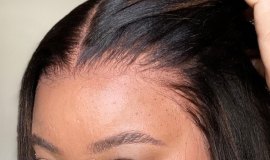
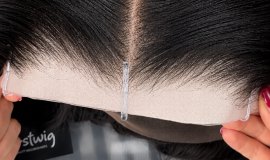
Lace quality: HD lace and Swiss lace are thin, soft, and can blend well with most skin tones, helping create a more undetectable hairline. Transparent lace is also a common choice, especially for lighter skin tones. The right lace can make the front hairline look more seamless and natural.
Hairline: A pre-plucked hairline looks softer and more realistic than a dense, straight hairline. It helps create a more natural transition around the forehead, making the wig look closer to a real human hairline.
Pre-bleached knots: Pre-bleached knots help reduce the visible dotted look on the lace, making the hair appear as if it is growing naturally from the scalp.
Hair texture: Silky texture looks smoother, shinier, and feels the softest, which makes it great for sleek styles and big curls. Yaki texture looks more like natural hair after a silk press or flat iron, while kinky texture looks closer to natural hair after a blowout. If you want the wig to look more like real human hair in daily life, yaki and kinky textures are often more natural-looking choices than an overly silky finish.
For a realistic daily look, choose a lace front wig that matches your usual hairstyle, not just the most dramatic style.
What is the easiest lace front wig to install by yourself?
The easiest lace front wig to install by yourself is a glueless wig that comes mostly finished before you receive it. Look for these features:
No glue needed: Easier to put on and remove at home.
Pre-cut lace: No need to trim the lace by hand.
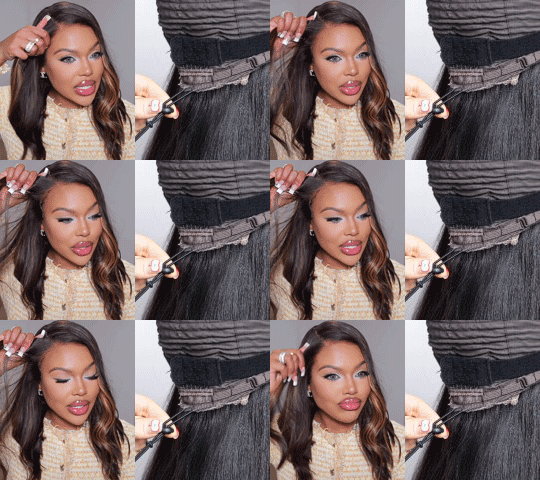
Adjustable straps: Helps secure the wig without professional help.
Elastic band: Adds extra hold and comfort.
Pre-styled look: Reduces the need for curling, flattening, or heavy customization.
If you are new to wigs, a put-on-and-go lace front wig is usually easier than a traditional lace wig that needs glue, cutting, and styling.
What is the best lace front wig for everyday wear?
The best lace front wig for everyday wear should be comfortable, natural, and easy to maintain. Important factors include:
Length: Short and medium-length wigs are easier to manage daily.
Texture: Straight, yaki, soft wave, and bob styles are practical for work, errands, and daily routines.
Cap comfort: A breathable cap with a secure but gentle fit helps the wig stay in place without feeling too tight, reducing pressure, headaches, or the worry of slipping during all-day wear.
Low maintenance: A pre-styled wig saves time in the morning.
Natural finish: A soft hairline and realistic parting make the wig easier to wear in real life.
For daily wear, avoid choosing a wig only because it looks dramatic in photos. A comfortable, manageable style is usually the better choice.
What lace front wig is best if I do not want to use glue?
If you do not want to use glue, the best choice depends on how much lace coverage, styling flexibility, and convenience you need. Different wig cap constructions offer different levels of security and naturalness without glue:
10x6 Glueless Lace Wig: A great option for customers who want a natural hairline, deeper parting space, and a secure glueless fit. The 10x6 lace area gives more styling room than a closure wig while still being easier to wear without glue than a full lace front wig.
5x5 Closure Wig: One of the easiest glueless options for beginners. It has less lace to manage, feels secure, and is simple to put on and remove. A 5x5 closure wig is ideal if you want a natural parting area without dealing with a full front lace hairline.
Headband Wig: The most convenient no-glue option. It does not require lace, glue, or lace cutting, making it perfect for quick daily wear, workouts, errands, or beginners who want a true put-on-and-go wig.
V Part Wig: A good choice if you want to leave out a small amount of your natural hair for blending. It does not require glue or lace, and it can look very natural when your leave-out matches the wig texture.
13x6 Lace Front Wig: This wig can be worn without glue in some cases, especially if it has a secure glueless cap design. However, because the lace extends across the full front hairline and sides, many customers still prefer to use a small amount of glue, gel, or adhesive to make the side lace lay flatter and look more seamless.
For the easiest no-glue experience, choose a headband wig or 5x5 closure wig. For a more natural hairline with more styling space, a 10x6 glueless lace wig is usually the better choice.
What is the best lace front wig for women with thin edges?
For women with thin edges, the best wig should protect the hairline, avoid glue, and still look natural without requiring much leave-out. Since thin edges can be more fragile, it is better to choose a wig that does not need adhesive or tight pulling around the front hairline.
10x6 Glueless Lace Wig: This is a good choice if you want a more natural front hairline without using glue. The 10x6 lace area gives enough parting space and styling flexibility, while the glueless cap helps the wig stay secure without pulling tightly on fragile edges.
5x5 Closure Wig: This is one of the most beginner-friendly and edge-friendly options. It has less lace to manage, does not require glue, and does not need you to expose your own hairline. A 5x5 closure wig is ideal for women who want a natural parting area with less tension around the edges.
Headband Wig: This is the easiest no-glue option for home, casual wear, or days when your edges need a break. It does not require lace, glue, or leave-out, so it avoids direct stress on the hairline. However, because the hairline is covered by the headband, it may look less natural than a lace wig for more polished daily looks.
For women with thin edges, a 5x5 closure wig or 10x6 glueless lace wig is usually the best everyday choice. A headband wig is also a comfortable option for at-home wear or low-maintenance protective styling days.
What is the best lace front wig for women with no hair or alopecia?
For women with hair loss or alopecia, the best wig should be comfortable on the scalp, secure without glue, and natural-looking without requiring leave-out. Since there may be little or no natural hair to help hold the wig in place, the right cap construction is especially important.
• 5x5 Closure Wig — Best for Everyday Glueless Wear
A 5x5 closure wig is one of the easiest and most beginner-friendly choices for alopecia. It requires no glue, no leave-out, and less lace maintenance, while still giving a natural-looking part. The smaller lace area is easier to manage and feels more secure for daily wear.
• 10x6 Glueless Wig — Best Balance of Natural Look and Easy Install
A 10x6 glueless wig is a great option if you want a more realistic front hairline and more parting space without using glue. It gives a more natural lace look than a closure wig, but is still easier to wear than a full 13x6 lace front. For many wig wearers, this is a good balance between comfort, security, and natural appearance.
• 13x6 Glueless Lace Wig — Best for the Most Realistic Hairline
A 13x6 glueless lace wig offers the most natural front hairline and the most styling flexibility. It is a good choice if you want to wear styles that show more of the hairline. However, because the lace area is larger, it may need more adjusting around the sides and ears to lay flat, so it is better for wearers who are comfortable with extra lace maintenance.
• Headband Wig — Best for Scalp Comfort and Protective Days
A headband wig has no lace, no glue, and no leave-out, making it one of the gentlest options for sensitive scalps. It is perfect for home, errands, workouts, or days when you want a quick put-on-and-go protective style. The only trade-off is that it may look less natural than a lace wig because the hairline is covered by the headband.
For women with alopecia or little-to-no hair, comfort and secure glueless wear should come first. The best choice is not always the wig with the most lace, but the wig that feels secure, protects the scalp, and still gives a natural look without glue or tension.
What lace front wig texture should I choose?
The best lace front wig texture depends on the look you want, your daily styling routine, and how natural you want the hair to appear. Here is a simple guide:
Straight: Sleek, polished, and easy to style for work or daily wear. It gives a clean, smooth look with less texture.
Yaki: Looks like natural hair after a silk press or flat iron. It is straighter than kinky texture, but not as silky or shiny as silky straight hair, making it a great choice for a realistic everyday look.
Kinky Straight: Looks more like natural hair after a blowout. It has more texture, body, and fullness, making it ideal if you want a natural-looking volume without tight curls.
Curly: Adds volume, shape, and personality, but may need more moisture and care to keep the curls defined.
Wavy: Soft, feminine, and easier to wear than very tight curls. It gives movement without being too high-maintenance.
For the most realistic everyday look, yaki and kinky straight textures are often better choices because they look closer to styled natural hair. Choose yaki if you like a silk-press look, and choose kinky straight if you prefer a fuller blowout effect.
Is a human hair lace front wig worth it?
A human hair lace front wig is usually worth it if you want a more natural look, longer lifespan, and better styling flexibility. The main differences compared to synthetic wigs are not just styling, but how the hair performs in real-life wear.
1. Natural shine vs synthetic gloss Human hair has a softer, more natural sheen that looks like real growing hair. Synthetic wigs often have a higher light-reflecting shine, which can look less natural under indoor lighting or camera flash.
2. Tangle resistance & daily maintenance Human hair is easier to manage with proper care and tends to tangle less in everyday wear. Synthetic fibers are more likely to tangle quickly, especially at the nape and ends, and can be harder to detangle over time.
3. Lifespan & long-term value With proper maintenance, human hair wigs can last significantly longer and maintain their quality through heat styling and washing. Synthetic wigs have a shorter lifespan and may lose texture or shape more quickly.
4. Natural realism in real life wear Human hair looks more realistic in everyday situations such as movement, close-up viewing, and different lighting conditions. Synthetic wigs may look fine in photos but can appear less natural in real-life lighting.
For everyday wear
Human hair lace front wigs are often preferred when you want a more realistic appearance in real lighting conditions, not just on camera, especially if you wear wigs frequently.